-1.png?width=250&height=69&name=fridgeseal-logo-full-color-rgb-900px-w-72ppi%20(1)-1.png)
When a commercial cooler stops holding temperature, most people assume the compressor is failing. But in kitchens, convenience stores, and grocery operations across Michigan, the real problem usually starts somewhere much simpler — the door.
A worn gasket or misaligned door lets warm air rush in all day long. That small gap forces the refrigeration system to work overtime, raising energy bills and putting food safety at risk. This guide breaks down why the door is the most common source of temperature loss and what you can do to fix it.
For a complete overview of our commercial gasket services, visit commercial refrigerator door services.
The Science Behind Cold Air Loss
A cooler isn’t designed to make cold air. It removes heat. Every time the door opens, warm outside air enters and the system begins removing that heat to bring temps back down.
When the gasket is worn, torn, or not sealing tightly, that warm air enters nonstop — even when the door appears closed.
This creates a steady cycle of heat gain, forcing the equipment to push harder for longer.
Why the Door Matters More Than the Compressor
The compressor is built to work efficiently when the door seals correctly. Once the seal is compromised, everything downstream begins to struggle.
Here’s why:
Warm Air Sneaks In Constantly
Even a small tear in the gasket creates a pathway for warm air to enter. Over a full working day, that adds up to hundreds of temperature spikes.
Moisture Builds Up
Warm, humid Michigan kitchen air entering the cooler creates condensation, frost buildup, and icing near the evaporator — all of which reduce cooling efficiency.
The System Runs Longer
The compressor compensates by cycling more often and for longer periods. That drives up energy usage significantly.
Equipment Lifespan Drops
Continuous overworking shortens compressor life. Many expensive “compressor failures” actually began years earlier with bad door seals.
If you manage a restaurant, school, or grocery store, see how FridgeSeal supports your operation on our industries we serve page.
The Most Common Door Issues That Cause Temperature Loss
Even if the gasket isn’t visibly damaged, small problems add up.
Misaligned or Warped Doors
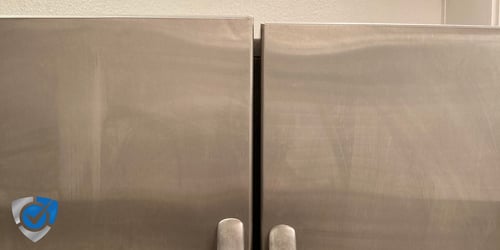
If the door frame is bent or the hinges are loose, the gasket won’t sit flush.
Hardened Gasket Material
Over time, gaskets become stiff and lose flexibility — especially in colder environments.
Gasket Pulling Away From Track
Corners may start peeling away from the liner, creating air gaps.
Dirt and Debris
Food particles, crumbs, and moisture can prevent a proper seal if not cleaned.
Torn or Missing Sections
Even a one inch tear can cause significant cold air loss.
How This Affects Your Energy Bills
When cold air leaks, the compressor has to remove heat constantly. Energy waste builds quickly.
For Michigan businesses operating around the clock — grocery stores, bars, hospitals, coffee shops — a weak seal can add hundreds of dollars per month to utility bills.
Signs Temperature Loss Is Coming From the Door
You’re likely dealing with a door issue if you notice:
-
Temps drifting several degrees from normal
-
Compressor running longer or louder
-
Frost near the door frame
-
Condensation forming around the gasket
-
The door feeling loose or needing to be slammed
If these issues appear on specific equipment like True, Turbo Air, Beverage Air, or Delfield, check our refrigeration brands we service page.
Simple Checks You Can Do Today
Here are quick diagnostics you or your staff can perform:
The Dollar Bill Test
Place a dollar bill (or a $20) in the door and close it. If you can pull it out easily without resistance, the seal is weak.
Look for Light
If you can see light between the door and frame, cold air is escaping.
Feel for Cold Air
Run your hand along the gasket edges. Any cold air leaking means the door isn’t sealing.
Inspect for Debris
Clean the gasket and door frame. Even a small food crumb can block the seal.

When to Replace the Gasket
You should replace your gasket when:
-
It’s visibly cracked or torn
-
It’s pulling away from the liner
-
The door won’t stay shut
-
There is noticeable temperature swing
-
You fail the dollar bill test
-
You see frost near the door
Most commercial gaskets last one to three years depending on traffic.
How a Professional On Site Replacement Works
A specialist measures your door to the exact profile and dimensions. The gasket is then fabricated and installed to ensure a tight, uniform seal.
A properly installed gasket should allow the door to close smoothly and hold firmly without slamming.
Conclusion
Refrigeration problems often look complicated, but in many Michigan kitchens the cause is surprisingly simple. Most temperature issues begin at the door, not the compressor.
Fixing the gasket early protects your food, lowers energy use, and helps keep your cooler inspection-ready.
If you want a quick, professional evaluation, FridgeSeal is here to help.