-1.png?width=250&height=69&name=fridgeseal-logo-full-color-rgb-900px-w-72ppi%20(1)-1.png)
Food loss in commercial kitchens rarely starts with spoiled product. More often, it begins with small, overlooked problems at the walk-in cooler door. In Michigan restaurants, grocery stores, and food service operations, these issues quietly compromise temperature control until inventory is at risk.
Understanding how walk-in cooler doors fail and what to watch for can help prevent waste, protect inspections, and keep your operation running efficiently.
Why Walk-In Cooler Doors Are a Common Failure Point
Walk-in cooler doors are opened hundreds of times per day. They are exposed to moisture, grease, temperature swings, and constant traffic. Over time, door components wear out long before the refrigeration system itself.
When a door stops sealing properly, cold air escapes and warm air enters. That imbalance leads to temperature instability, condensation, frost, and eventually food loss.
This is why FridgeSeal focuses on door performance as part of our commercial gasket services for Michigan businesses.
Temperature Drift Is the First Warning Sign
One of the earliest indicators of door failure is subtle temperature drift. A walk-in that once held steady at 36 to 38 degrees may start creeping into the low 40s.
This often happens before alarms trigger or staff notice a problem. Even small gaps in the door seal allow warm air infiltration, forcing the unit to work harder while struggling to maintain safe temperatures.
Over time, this leads to:
-
Reduced shelf life of food
-
Increased spoilage risk
-
Higher energy usage
Worn Door Gaskets and Air Leaks
Door gaskets are the most common cause of food loss tied to walk-in doors. As gaskets age, they crack, flatten, or pull away from the frame. Corners are especially vulnerable.
A damaged gasket creates invisible air leaks. Cold air escapes while warm, humid air enters, creating uneven temperatures inside the cooler.
You can learn more about identifying gasket problems in our blog How to Know When Your Commercial Cooler Door Gasket Needs Replacing, which covers early warning signs in detail.
Misaligned or Sagging Doors
Walk-in doors that no longer hang square in the frame are another major contributor to food loss. This usually happens when hinges wear down or mounting hardware loosens over time.
Even a slightly sagging door prevents the gasket from sealing evenly. Staff may push harder to close it, causing additional wear and making the problem worse.
Common symptoms include:
-
The door rubbing the frame
-
The latch not engaging smoothly
-
Visible gaps at the top or bottom corners
Faulty Latches and Closers
A walk-in door that does not fully latch or close on its own is a serious risk. Doors left partially open for even short periods can cause rapid temperature swings.
In busy kitchens, staff may assume the door is closed when it is not. Over time, this leads to repeated exposure of food to unsafe temperatures.
During service visits, we often find that simple latch or closer adjustments can prevent major losses.
Frost, Condensation, and Ice Buildup
Moisture buildup around the door frame is more than a nuisance. Condensation and frost are signs of warm air entering the cooler.
This moisture can drip onto products, freeze around door edges, and create slip hazards. In freezers, ice buildup can eventually prevent the door from closing properly at all.
These conditions are frequently cited during inspections and are a clear indicator of door seal failure.
How Door Issues Lead Directly to Food Loss
When temperatures fluctuate, food safety margins shrink. Products may still look fine but fall outside safe holding ranges. This puts your inventory and your inspection results at risk.
Door related food loss often occurs in stages:
-
Small air leaks develop
-
Temperature stability declines
-
Moisture and frost appear
-
Products spoil faster
-
Inventory is discarded
Preventing this chain reaction starts with proper door maintenance.
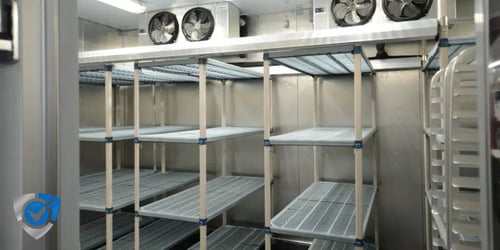
Brands and Equipment Matter
Different walk-in cooler brands use different door designs and gasket profiles. A one-size-fits-all approach does not work.
FridgeSeal services door gaskets and components across all major manufacturers. You can view a full list on our Brands We Service page.
Knowing your equipment brand helps ensure the correct gasket profile and proper door alignment.
Industries Most Affected by Walk-In Door Issues
We see food loss related to door problems most often in:
-
Restaurants with high foot traffic
-
Grocery and convenience stores
-
Schools and universities
-
Hospitals and senior care facilities
-
Catering and commissary kitchens
Learn more about how we support these operations on our Industries We Serve page.
Preventing Food Loss Through Proactive Door Care
Routine inspections of walk-in doors can prevent costly problems. Checking gaskets, hinges, and latches regularly helps catch issues before food is impacted.
Many Michigan businesses schedule proactive gasket replacement as part of their maintenance plan rather than waiting for failure.
When to Call a Specialist
If you notice temperature drift, visible gasket damage, or doors that do not close cleanly, it is time to bring in a professional. Addressing door issues early is far less expensive than replacing spoiled inventory.
A gasket specialist focuses specifically on door performance, not compressors or refrigerant systems. That specialization makes a difference.
Final Thoughts
Walk-in cooler door issues are one of the most preventable causes of food loss in commercial kitchens. Paying attention to door seals, alignment, and closure can save thousands of dollars each year.
FridgeSeal helps Michigan businesses protect inventory by keeping cooler doors sealed, aligned, and inspection ready.
If your walk-in door is showing signs of wear, now is the time to act.